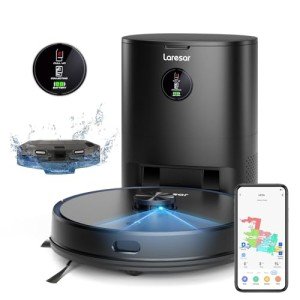
Where Will Vacuums Robot Be 1 Year From Now?
The Rise of Robot Vacuums: A Comprehensive Guide
In current years, robotic vacuum cleaners have changed the way households maintain cleanliness. With Automatic Cleaning Machines becoming advanced and available, they have garnered attention for their efficiency, convenience, and features. This post explores what robotic vacuums use, how they work, the advantages they provide, and the factors to consider buyers should keep in mind when choosing one.
What Is a Robot Vacuum?
A robot vacuum is an automated, self-governing cleaning gadget designed to carry out numerous cleaning tasks, typically focused on floor surfaces. They are equipped with sensing units, brushes, and motors that allow them to navigate around rooms, avoid challenges, and clean efficiently. The arrival of smart home technology even more enhances these gadgets' abilities, enabling users to integrate them into their home automation systems.
Types of Robot Vacuums
Robot vacuums can be found in various models, each with distinct functions and functionalities. Here are a few of the primary types:
Basic Models:
- Simple cleaning functions
- Random navigation patterns
- Lower price point
Mid-Range Models:
- Improved navigation systems (e.g., gyroscopic or sensor-based)
- Scheduling capabilities
- Moderate suction power
High-End Models:
- Advanced mapping and navigation capabilities
- Smart features (Wi-Fi connection, combination with smart assistants)
- High suction power and specialized brushes for various surfaces
Features to Consider
When choosing a robot vacuum, different features can improve user experience and general functionality. Below is a list of important features to consider:
Mapping Technology:
- Advanced designs map out spaces, permitting effective cleaning and room-specific settings.
Suction Power:
- Higher suction power can improve performance on various surface areas, especially carpets.
Battery Life:
- Longer battery life allows extended cleaning sessions. Search for models that can return to charging stations when short on power.
Dustbin Capacity:
- Consider the size of the dustbin as it figures out how often it requires to be emptied.
Control Options:
- Many models use mobile app integration and voice control compatibility. This enables for remote operation and scheduling.
Obstacle Detection:
- Advanced designs use video cameras and sensors to prevent obstacles and prevent getting stuck.
Mopping Capability:
- Some robot vacuums consist of mopping performance, offering a two-in-one cleaning solution.
Advantages of Using a Robot Vacuum
Robot vacuums use several significant benefits over conventional vacuums:
Convenience:
Users can set a cleaning schedule and let the vacuum do the work, freeing up important time and effort.Efficiency:
Many designs have intelligent navigation innovation that enables them to tidy methodically, ensuring no area is neglected.Accessibility:
Robot vacuums can reach under furniture and other hard-to-reach locations, supplying a more thorough cleaning experience.Irritant Reduction:
Regular vacuuming lowers dust, family pet hair, and irritants, improving indoor air quality, specifically useful for allergy sufferers.Programmable Cleaning:
Users can tailor cleaning schedules based on their way of life, guaranteeing homes stay clean without manual intervention.
How Robot Vacuums Work
Comprehending how a robot vacuum runs can help users optimize its capacity. Below is a streamlined overview of the working system:
Sensors:
Robot vacuums are equipped with various sensors to avoid accidents and navigate around furnishings. Robot Vacuum Cleaners and cliff sensors avoid them from falling off stairs.Navigation and Mapping:
Basic models may utilize random navigation patterns, while innovative designs utilize sophisticated mapping innovation to create a layout of the home. They can determine areas that need particular attention, improving total efficiency.Cleaning Mechanisms:
Robot vacuums utilize brushes or rollers to upset dirt and debris, enabling the suction motor to collect the particles into a dustbin. Some include HEPA filters to trap irritants.Recharge Cycle:
When the battery runs low, the robot vacuum can go back to its docking station autonomously to recharge, ensuring it's constantly ready for its next cleaning session.
Popular Brands of Robot Vacuums
With a growing market for robotic vacuums, numerous brands standout for their innovation, client service, and item performance. Below are a few of the leading brands:
Brand
Noteworthy Features
Price Range
iRobot Roomba
Smart mapping, Wi-Fi connection, strong suction
₤ 200 – ₤ 1,000
Roborock
Laser mapping, mopping function, outstanding battery life
₤ 300 – ₤ 900
Ecovacs D-Bot
Smart home integration, powerful cleaning modes
₤ 250 – ₤ 600
Neato Robotics
D-shape design for corner cleaning, strong suction
₤ 400 – ₤ 800
Eufy
Affordable alternatives, good suction power
₤ 150 – ₤ 400
Regularly Asked Questions (FAQs)
Can robot vacuums change traditional vacuums?
Robot vacuums can significantly reduce the frequency of traditional vacuuming, but they may not completely change them due to restrictions on deep cleaning and bigger particles. Lots of people utilize both for optimal outcomes.
How frequently should a robot vacuum run?
A robot vacuum can be set up to clean daily or numerous times a week, depending upon way of life, pet hair levels, and family foot traffic.
Are robot vacuums quiet?
The majority of robot vacuums are designed to operate silently, but noise levels may differ based upon the design and cleaning surface area.
How do I maintain my robot vacuum?
Routine upkeep consists of emptying the dustbin, cleaning the filters, and inspecting the brushes for hair and debris. Periodically, users may need to update firmware.
Is it safe for family pets?
The majority of robot vacuums are safe for family pets, however guaranteeing that they do not get contended long hair is important. Features like challenge detection can help avoid accidents.
Robot vacuums have emerged as an innovative cleaning solution that streamlines home maintenance. With effective cleaning paths, ease of use, and advanced technology, they can fit effortlessly into contemporary way of lives. When selecting a robotic vacuum, buyers need to think about various functions, types, and brands to find the best suitable for their home's cleaning needs. As innovation continues to develop, it's most likely that the convenience and efficiency of robotic vacuums will only improve, making them a necessary device in every household.